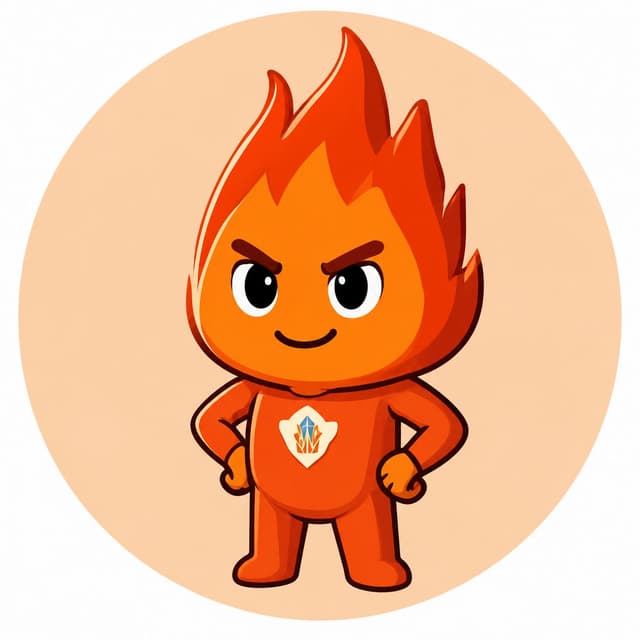
Blaze
Acts impulsively
Driven by anger or emotions
Schools teach maths, science, languages. We teach the one thing they don't, how to feel, understand, and choose, before reacting.
To establish Sustainable Mind™ as a global life-skills curriculum in schools worldwide, empowering every student to:

Build self-awareness and mental clarity.
Recognize, regulate and express emotions in healthy ways.
Make thoughtful decisions and set meaningful goals.
Bounce back, stay strong and thrive in life.
Global Curriculum
Designed for impact across countries and cultures.
Integrated in Schools Worldwide
Seamlessly fits into school systems and classrooms.
Stronger Minds, Brighter Future
Empowering today's students for a better tomorrow.

By the time most kids reach high school, they've memorised periodic tables and algebraic identities, but no one has shown them what to do when they feel overwhelmed.
A constant loop they can't escape
Reactions before thought
Pulled in every direction
Identity built on others
"Students are taught what to know, but not how to handle what they feel."
We help students understand the architecture of their own mind, drawing on traditions that have studied it for thousands of years, and translating that into stories, activities, and small daily practices.
Understand the mind
Manage emotions
Act with clarity
Four characters that turn abstract reactions into something a child can name, recognise, and choose between.
Acts impulsively
Driven by anger or emotions

Avoids or shuts down
Feels scared or overwhelmed

Thinks clearly
Chooses wisely and stays in control
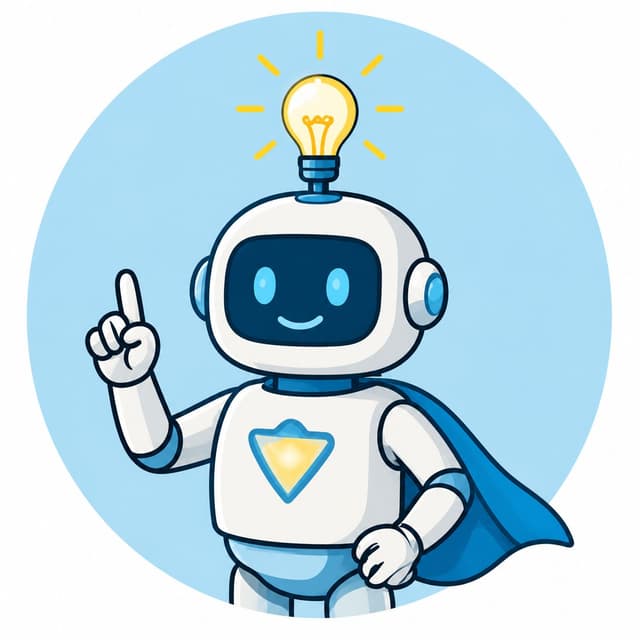
Guides with wisdom
Helps you reflect and decide better
Simple, relatable, and easy for students.
40 to 50 minute sessions, designed to fit cleanly into the school timetable. Short enough to hold attention, long enough to actually go somewhere.
Students learn by exploring clues, solving challenges, and discovering their inner powers through games and interactive activities—not by memorising definitions.
Every session helps students discover a Human Power, practise it through engaging experiences, and apply it to everyday situations until it becomes a habit.
We don't test what they remember. We notice how they're changing, how they handle a frustration today versus six months ago, and we share that with parents and teachers.
The whole curriculum sits on one repeating loop. Once it lands, it never leaves.
Recognize the emotion
We start where most adults can't even start. Naming what's happening inside, in plain words, without judgement.
Know why you feel it
Behind every emotion is a cause. We help students trace the thread, this thought, that situation, this expectation, until the feeling makes sense.
Respond, don't react
Once they can see and name and trace, choice becomes possible. They stop being driven by mood and start steering.
These aren't slogans. They're the four shifts we measure across every cohort, in both teacher observations and student self-reports.
Naming what they feel before reacting to it.
Sustained attention without forcing it.
Pause, weigh, choose, instead of impulse.
Bounce back, instead of bottling up.
Children learn to name what they feel, and to take one breath before doing anything about it. The smallest of starts, but the most important one.
We add a layer. Why does this feeling come? What sets it off? What helps it pass? Children become observers of their own inner weather.
By the teen years, the work becomes about agency. Knowing what you feel, knowing why, and choosing your response, even when peers, screens, and stress pull the other way.
We pilot with one grade, train your teachers, and grow with the school. Most pilots run 12 weeks. Booking opens for the next academic year.
Pilots typically begin within 4 to 6 weeks of first contact